
Category: Uncategorized

  • Questions To Ask At An Interview

    Classic interview sign-posting: Ask your questions here...!
    Classic interview sign-posting: Ask your questions here…!

    You’re doing well at an interview, it’s drawing to a close and the person firing the questions at you pauses and asks:

    ‘Do you have any questions for me?’

    How do you reply:

    a) Um, I don’t have any,

    b) You’ve answered all my questions already,

    c) Thank you and I do have a couple to ask you….

    Of course the correct answer is c), but the others pop up with depressing regularity, which is a pity because asking great questions is a great way to sell yourself. There are points to be had from asking smart questions and here are three of my favourites, to get you thinking:

    Q1) Can you tell me what my priorities will be on day one (or for the first three months)?

    Q2) Have I answered all our questions, or is there an area you would like me to expand on?

    Q3) Do you have any concerns about my application?

    The first question is a sneaky one because it looks into the future and invites the interviewer to see us in the job. As they do so, they begin to see what we would be like in action and this can help to confirm in their mind that we are indeed a great candidate. This is a future pacing question and it’s always worth asking, because it gives us useful information and can lead us into a job.

    The second question gives us an opportunity to make good any poor answers. If we’ve waffled, or missed a question, we can hand the interviewer a better answer and can score more points. There’s no harm in having a second attempt to get things right, because the interview is our one chance to make a good impression.

    Finally, the third question is one that we are often more nervous about asking, because we fear the answer…particularly if we think the interview has gone badly. However, once we’ve left the room and are heading home it can help us to know how realistic are chances are. If the interviewer does have a concern then we might as well hear it when we’re sitting in front of him and can answer it directly. Sorting out concerns is assertive and useful and can only help us out.

    As a tip I always suggest people write their choice of questions at the bottom of their notepad so that they don’t have to remember them at the end of a draining hour. Life and interviews don’t have to be a memory.

    Our Task For This Week

    Have fun asking questions to find out useful information, whether we are at an interview or having a sales meeting. There are more questions in the book Job Hunting 3.0 which is out on 15th June. Click here order your copy from Amazon.

    Next Monday – How to build rapport

    The difference that makes a difference is our ability to make contact with people and to assert our character. If we can do this well, then it’s amazing how much a interviewer will warm to us and will overlook gaps in our CV. Read the blog next week for some top tips.

    Pass It On

    If you know someone who would be interested in this blog post please forward it to them, or ReTweet it, or let them know they can subscribe to regular emails via the box on the homepage.

    Missed Last Week’s Post?

    Last week was all about where to look for work. Click here if you would like to know 20 places.


    Thank you for reading all the way to the end! Good luck with your job hunting and see you next Monday. If you need help please feel free to contact me here.
  • 20 Places To Look For Work

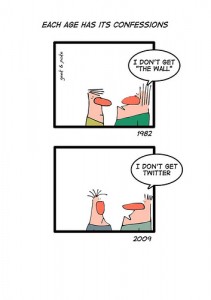
    If you're looking for work then 'get' Twitter and get tweeting!
    If you're looking for work then 'get' Twitter and get tweeting!

    I’ve met people who have great CVs (see last week’s post for 10 Top Tips), I’ve met people who are great at interviews and yet I’ve never met anyone who has thought much about where to look for work. In my experience people often shut their eyes and fire off CVs to: Job search sites on the internet, or job adverts in national newspapers, or job adverts in local newspapers

    There is a big problem with this approach which, when you think about it, is obvious; if everyone is also looking here, your chances of success can be dramatically decreased. Think of it like being on a treasure hunt, where you all have the same map and all know where X marks the spot. Can you beat the others up the beach to start digging first?

    Don’t get me wrong here, people do find work by using websites and newspapers, but there are others ways that need to be considered. This is because a high proportion of jobs are hidden away out of sight and need to be winkled out.

    If you’re looking to find your next role please read though this list and tick off all the places where you have searched for work and ask yourself which places you could also look in:

    1. Local newspapers for a neighbouring county or district.
    2. Trade magazines relevant to your occupation.
    3. Local libraries, containing journals and magazines with interesting people you can send cold call letters to.
    4. Local business networking clubs; the members will know lots of people.
    5. National newspaper news or business pages; send letters to the people in the articles.
    6. Twitter; you can let people know what you are looking for.
    7. LinkedIn; now regularly used by recruiters to find people.
    8. Trade shows; full of companies and you can collect a fistful of business cards.
    9. Notice boards, at universities or in business/service organisations.
    10. Social clubs; who knows you’re looking for work?
    11. Recruitment agencies; high street and specialist.
    12. Friends…you never know who they know!
    13. Your family…ditto friends.
    14. Competitors of businesses you used to work with; you were in the same market.
    15. Local business directories; often found in libraries and full of people you can write to.
    16. People who are already doing the type of work you’re looking for; do they need any help?
    17. Your address book; people often overlook their email accounts, so it’s worth checking to see who you could write to.
    18. Job search sites on the internet.
    19. Job adverts in national newspapers.
    20. Job adverts in local newspapers.

    I’ve repeated our three favourites to highlight the fact that they are only a small part of a much longer list and, if we’re looking for work, then we can increase our chances of success by diligently exploring all the options that we have available to us. If we do, then we might sneak ahead of the competition and be first to the buried treasure. Happy digging!

    Our Task For This Week

    This week we can choose five new places to look for work and can have fun exploring them. There’s more information in the book Job Hunting 3.0 which is out on 15th June. Click here order your copy from Amazon.

    Next Monday – Questions to Ask at Interviews

    We often get asked ‘If we have any questions’ and there are bonus points on offer for having some good ones prepared. They can help us to sell ourselves effectively, so next week we will meet three helpful questions.

    Pass It On

    If you know someone who would be interested in this blog post please forward it to them, or ReTweet it, or let them know they can subscribe to regular emails via the box on the homepage.

    Missed Last Week’s Post?

    Last week was all about CV writing tips. If you would like to read 10 Top Tips then click here.


    Thank you for reading all the way to the end! Good luck with your job hunting.