Author: moderncareers

  • 20 Places To Look For Work

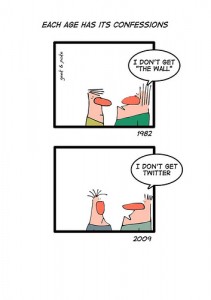
    If you're looking for work then 'get' Twitter and get tweeting!
    If you're looking for work then 'get' Twitter and get tweeting!

    I’ve met people who have great CVs (see last week’s post for 10 Top Tips), I’ve met people who are great at interviews and yet I’ve never met anyone who has thought much about where to look for work. In my experience people often shut their eyes and fire off CVs to: Job search sites on the internet, or job adverts in national newspapers, or job adverts in local newspapers

    There is a big problem with this approach which, when you think about it, is obvious; if everyone is also looking here, your chances of success can be dramatically decreased. Think of it like being on a treasure hunt, where you all have the same map and all know where X marks the spot. Can you beat the others up the beach to start digging first?

    Don’t get me wrong here, people do find work by using websites and newspapers, but there are others ways that need to be considered. This is because a high proportion of jobs are hidden away out of sight and need to be winkled out.

    If you’re looking to find your next role please read though this list and tick off all the places where you have searched for work and ask yourself which places you could also look in:

    1. Local newspapers for a neighbouring county or district.
    2. Trade magazines relevant to your occupation.
    3. Local libraries, containing journals and magazines with interesting people you can send cold call letters to.
    4. Local business networking clubs; the members will know lots of people.
    5. National newspaper news or business pages; send letters to the people in the articles.
    6. Twitter; you can let people know what you are looking for.
    7. LinkedIn; now regularly used by recruiters to find people.
    8. Trade shows; full of companies and you can collect a fistful of business cards.
    9. Notice boards, at universities or in business/service organisations.
    10. Social clubs; who knows you’re looking for work?
    11. Recruitment agencies; high street and specialist.
    12. Friends…you never know who they know!
    13. Your family…ditto friends.
    14. Competitors of businesses you used to work with; you were in the same market.
    15. Local business directories; often found in libraries and full of people you can write to.
    16. People who are already doing the type of work you’re looking for; do they need any help?
    17. Your address book; people often overlook their email accounts, so it’s worth checking to see who you could write to.
    18. Job search sites on the internet.
    19. Job adverts in national newspapers.
    20. Job adverts in local newspapers.

    I’ve repeated our three favourites to highlight the fact that they are only a small part of a much longer list and, if we’re looking for work, then we can increase our chances of success by diligently exploring all the options that we have available to us. If we do, then we might sneak ahead of the competition and be first to the buried treasure. Happy digging!

    Our Task For This Week

    This week we can choose five new places to look for work and can have fun exploring them. There’s more information in the book Job Hunting 3.0 which is out on 15th June. Click here order your copy from Amazon.

    Next Monday – Questions to Ask at Interviews

    We often get asked ‘If we have any questions’ and there are bonus points on offer for having some good ones prepared. They can help us to sell ourselves effectively, so next week we will meet three helpful questions.

    Pass It On

    If you know someone who would be interested in this blog post please forward it to them, or ReTweet it, or let them know they can subscribe to regular emails via the box on the homepage.

    Missed Last Week’s Post?

    Last week was all about CV writing tips. If you would like to read 10 Top Tips then click here.


    Thank you for reading all the way to the end! Good luck with your job hunting.

  • How To Write A Winning CV

    Great CVs use white space to make sections more readable, but don't over do it!
    Great CVs use white space to make sections more readable, but don't over do it!

    I have read that CVs are a thing of the past, old fashioned and out of touch with the zap zap speed of the modern social media world and I have to say that I disagree with this for two reasons:

     
    1. More Thinking

    By preparing a CV we are encouraged to think for ourselves about ourselves. What have we done well? What skills do we have? What makes people want to hire us? Without this kind of reflective conversation it can be amazing what we might forget. For example, I’ve worked with clients who have forgotten that they saved a business from closure, or that they spoke six languages, or that they saved £1m in repair costs. A CV is an excellent tool for dragging up useful nuggets from the depths of our cerebral filing system into the front of our mind, where they can held in stock, waiting to dazzle people.

    2. Gains Interest

    The other great thing about a CV is that once we have one we can give it to other people. Sounds a bit obvious perhaps, but a CV does the same job as a menu pasted up outside a restaurant. It gives us information, whets our appetite and engages our interest.

    So, having established a clear need for a CV we can take a look at some essential Top Ten Tips for success. Here are my favourite tips, culled from my experience of reading hundreds of CVs and of working closely with people to get theirs polished up to a usefully shiny state.

    Top Ten Tips

    1. Two pages maximum length. People often fail to read past the second page and if you can’t be informative and concise, what does that say about you?
    2. Tell the truth. An outright lie could cause summary dismissal if you get a job, because you have misrepresented yourself. If in doubt; leave it out.
    3. Leave out interview-specific information. This includes current salary details, health issues and reasons for leaving your last employer. You can answer all of these questions when at interview, without the risk being misunderstood.
    4. Clear summary of yourself at the top of the first page.Write an interesting four line summary that begins ‘A successful Operations Manager with experience of….and who has saved £s during a recent XYZ project.’ Include juicy details to hook people’s interest, such as countries you’ve worked in, or brands/companies you’ve been involved with.
    5. Avoid cliches.This means cutting out such boring old things as ‘blue sky thinking’, or ‘pushing the envelope’, or ‘great at thinking out of the box’. Once you’ve read them 20 times in different CVs they cease to add any value.
    6. Include achievements. After your summary profile include a ‘Key Achievements’ section with at least six bullet points that show your greatest job related achievements. Include numbers in them to make them memorable and to show how much value you have added to your previous organisations.
    7. If you’re a manager/supervisor/team leader talk about people. It’s amazing how often I’ve heard the cliche ‘I’m a people person’ without there being a shred of evidence in someone’s CV to back it up. If you make claims to being a people person then make at least two of your achievements people related. Think about how you developed the team, coached staff, supported people’s development or resolved a dispute.
    8. Tear your first page in half. This is about as much as most people read, so make sure it has a relevant and interesting profile in it and contains at least your first two achievements. If your address takes up the whole space then it’s time to think again!
    9. Stick your CV to your fridge door.This is a great way to see if the layout is neat and clear. Take a step back and look to see whether titles and bullet points are in line and whether there is enough white space between sections, to make them easy to find and read. If your CV is full of tiny type and needless clutter then you will need to give it a thorough haircut to allow your greatest points to shine out.
    10. Less is more. Six well worded achievements can be more useful than 25 lengthy rambling ones. Seven lines of responsibilities/activities per job are easier to remember than 17. A classic mistake is to pack your CV with everything and a bit more to make sure you’ve covered all options, but it can look confusing to the reader and end up as a sprawling mess. Be ruthless and go for the essential details that will sell your skills and talents. Leave out the waffle and the dead wood; you’re better than that.

    Remember

    It’s your CV with your name on the top, so you have to be happy with it. My viewpoint is UK/Euro-centric and if you have local preferences then of course it makes sense to follow those, whilst using the above as a general checklist. There are more tips and fully worked examples of great CVs in the book Job Hunting 3.0, which is due out on 15th June. Reserve your copy on Amazon now.

    Our Task For This Week

    This week we can dig out our CVs and compare them to the list of Top Ten Tips above. If we’re looking for work, it might help us to get an interview and if we’re in work, then refreshing our CV now can save us frustration and heartache in the future.

    Next Monday – where to look for work

    We will continue the job hunting top tips by looking at 20 places where you can look for work. Most people I’ve coached use about three different sources for jobs and miss the rest. How many places can you think of looking?

    Pass It On

    If you know someone who would be interested in this blog post please forward it to them, or ReTweet it, or let them know they can subscribe to regular emails via the box on the homepage.

    Missed Last Week’s Post?

    Last week was Part 2 of the behavioural strokes series. Strokes build relationships and change behaviour. They’re also a hidden part of Twitter. Click here to read about them.

    Thank you for reading all the way to the end! Good luck with your CV writing.