Author: admin

  • Creating Options

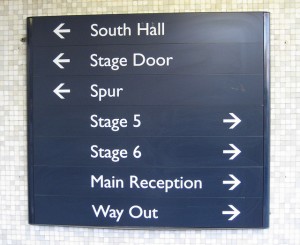
    Sign at BBC Television Centre. Which direction are you going?

    Here is a extract from Bouncing Back, which is due to be published in the Summer:

    Often people come up with an idea and then work hard to make it fit their world even when it becomes obvious the idea isn’t fully thought through and is going to get them into trouble. When it is their only idea they have to make it work, because if it doesn’t they don’t have anything else to fall back on. Clearly, this is a hazardous way to live our lives, so it makes sense to create more options, in order to reduce the risk.

    Creating options is often easiest when working with a supporter, coach, mentor, partner, friend – anyone who will listen to us and give us the space to develop our ideas and who will prod us by asking:

    • What else could we do?
    • What are all the options available to us, however silly they might sound at first?
    • What do other people already do?
    • What is our secret wish, dream or ambition?
    • If we stared with a blank piece of paper what else might we come up with?

    We don’t have to be seated in an office to created options – often the most creative meetings I’ve been involved with have taken place standing up next to a flipchart, walking round a park, or sitting in a café watching the world go by.

    • Where do you like to do your creating thinking?
    • What can you do to make thinking a fun experience?

    Creativity flows from the environment we place ourselves into and the questions we use to prod our thinking.

    What can you do this week to help yourself create more options for your own personal development?


    Bouncing Back follows on from Job Hunting 3.0 and How To Keep Your Job – both of which are available now on Amazon in book and Kindle formats.
     

  • New Habits For Greater Success

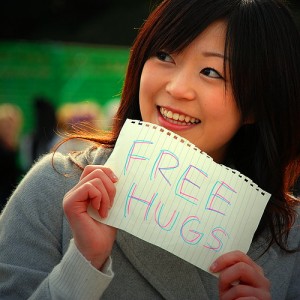
    More hugs, for a happier life!

    This week I’ve been writing about what makes for a successful transition from being fed up to being happy. Each chapter of my book finishes with a new positive habit that we can use to help us develop. By coincidence, a client last week talked about a new habit he had started for himself. In his case he had decided to make sure that he took all of his annual leave, which meant sticking to holiday decisions and having time off, even if he wasn’t sure how he was going to spend the time.

    What I liked about my client’s story was that the habit was a fairly simple thing to do – put some dates in his diary, fill in the forms and enjoy taking what he was entitled to.

    People often set out to make improvements in their working life, or their private life, by changing habits, but they tend to set the bar too high. For example, suddenly deciding that we will go to the gym every night of the week, might be hopelessly unrealistic, given the pace and complexity of our lives. Or, vowing to never eat cake again, might make us feel righteous for a hour, but is it realistic?

    Therefore, the secret of success is to think small. We can develop tiny little positive habits that on their own might seem inconsequential, but when added together amount to a considerable force for change.

    If you need an idea for a new habit: we could close our eyes for 5 minutes at lunchtime, and rest. Or we could take a slightly different route to work each week. Or we could live dangerously and choose a different snack from the office vending machine. At home we might chose to wear aftershave (or perfume) each day instead of saving it for special occasions.

    Small new habits might simply mean deciding to be more honest with people, or to offer more praise for good work or helpful support. Even though Valentines is safely behind us, and 80% of the population can relax for another year, we might decide that one easy new habit is to smile more, or buy more flowers, or simply just send our partner a text with a kiss on it.

    All of these things are small and they will all lead to greater success, whether at home or at work, or just in life.

    This week, choose one new positive habit for yourself, and make it a small one. What will you do?